Independent Ownership in Automotive Detailing
The automotive detailing industry operates primarily through independent ownership rather than corporate chains, creating distinct business models with unique opportunities and challenges. This resource explores the structural differences between sole proprietorships and multi-technician operations, the economic pressures these businesses navigate, and the operational practices that distinguish sustainable shops from those that struggle with scaling and profitability. Whether you evaluate detail services professionally or personally, understanding the ownership model provides essential context for what to expect from any shop. The decisions an owner makes about staffing, process documentation, and service specialization determine whether the business grows or remains limited by the owner's personal capacity.
An Industry of Independent Shops
The automotive detailing industry in North America operates overwhelmingly through independent ownership rather than corporate chains or franchise networks. A shop owner typically begins by mastering the technical craft—learning paint correction, ceramic coating application, protection film installation, and the diagnostic skills to assess vehicle condition—and then scales by hiring technicians, acquiring specialized equipment, and building a steady client base through reputation and referral. The business model differs markedly from corporate service centers, which rely on standardized systems and national marketing, because independent shops must balance technical perfectionism with business scalability, often requiring an owner to perform high-value services while simultaneously managing operations, accounting, and staff. Independent detailers occupy a distinct role in the automotive aftermarket: they hold deep technical expertise that corporate operations frequently lack, but they face capital constraints, operational complexity, and retention challenges that larger networks absorb through systems, scale, and institutional knowledge. Understanding how these businesses organize themselves, what economic pressures they navigate, and which operational structures prove sustainable across different markets is essential context for anyone recommending or evaluating detail services.

Habits of Well-Run Shops
Successful independent detail shops demonstrate consistent operational discipline across all aspects of their business, from intake and diagnostics through final delivery and customer follow-up. They maintain strict quality standards across every service, implement systematic processes for common services so that results are repeatable and predictable, and invest continuously in ongoing technician training to keep pace with new products, techniques, and vehicle technologies that emerge in the market. A shop owner's ability to balance technical perfectionism—the pursuit of flawless results on every vehicle—with business scalability—the ability to grow revenue without growing personal working hours—often determines whether a business can evolve beyond a single owner working alongside one or two technicians. Industry observers and shop owners themselves frequently cite this structural tension as the defining challenge of independent ownership in detailing. The shops that successfully navigate this tension typically do so through deliberate process documentation, tiered technician training programs, and management structures that create decision-making capacity beyond the owner's personal availability.
The difference between a detail shop that peaks at two technicians and one that successfully scales to five, six, or more is almost always the owner's willingness to document and delegate their expertise rather than perform every high-value service themselves.
Reading a Shop Before You Book
For readers evaluating a detail service, understanding the ownership model and structure of a shop illuminates its likely capabilities and operational constraints in meaningful ways. Sole-proprietor shops with one or two technicians often deliver exceptional craftsmanship and personalized attention because the owner maintains direct control over every vehicle, but they typically have limited appointment availability and specific scheduling windows because the owner's time is the limiting factor. Established multi-technician operations can handle higher service volume and can specialize in particular services like precision ceramic coatings or aggressive paint correction because they have enough capacity to allocate technicians by specialty. If you're deciding where to send a vehicle for services, the ownership structure and size of the operation provide real information about what a shop can reliably deliver and how they organize their work. Matching your needs to the shop's capabilities improves satisfaction significantly.
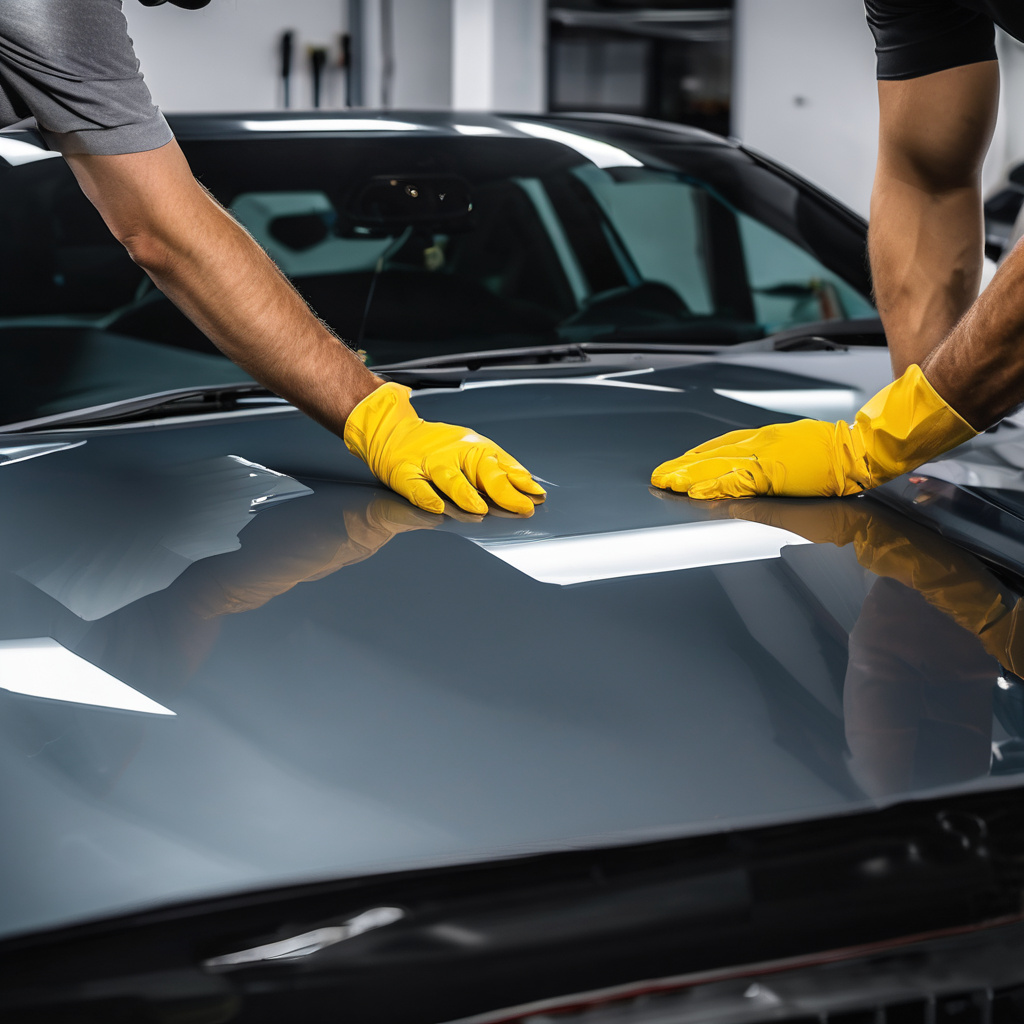
For shop owners: Documenting your processes in writing, investing in training that transfers knowledge to team members, and building a management structure that functions beyond your personal involvement are the strategic steps that move a detail business from a lifestyle operation dependent on owner effort to a scalable enterprise with growth potential. The shops recognized across regional markets for consistent excellence and reliability almost always trace that reputation back to an owner who chose to build systems and delegate rather than simply performing excellent work themselves. This requires intentional effort and willingness to step back from hands-on work.
For customers: Knowing whether you're working with an owner-operator or an established team with multiple technicians helps set realistic expectations about appointment availability, turnaround timing, service consistency, and communication responsiveness. Both models deliver quality work and have distinct advantages—they simply operate under different constraints and serve different customer priorities based on their operational structure. Your own needs and timeline should drive which type of shop you select.