Automotive Care and Coatings
A technical foundation for understanding modern protective systems, durability standards, and the professional landscape of automotive detailing and surface protection.
Chemistry, Craft and Standards
Professional automotive care sits at the intersection of chemistry, craft and standards. Protective coatings—from ceramic applications to paint protection film—have become central to vehicle maintenance, yet the standards behind them remain scattered across industry bodies and technical specifications. Understanding what makes a coating durable requires knowing both the products themselves and the tests that measure their performance. The materials differ, the application methods differ, and the longevity claims differ. A resource that separates technical fact from marketing has value for anyone responsible for maintaining a vehicle or advising someone who is.
This page anchors the kinds of coating systems in current use, the durability questions they answer, and the credible sources a reader can turn to for deeper work. It does not rank products or providers—that work belongs to those with direct experience. It establishes the vocabulary and the measurement standard so that experience becomes legible.
Additional resources
- International Carwash Association — the professional body for the car wash industry, with training and trade publications
- Auto Care Association — the trade association for the automotive aftermarket, covering parts and service
How Coatings Are Rated
Protective coatings are measured against durability and adhesion. A ceramic coating is typically rated by its hardness on the Mohs scale, where the most durable consumer products land between 8H and 9H. That number represents resistance to surface scratching, not toughness or the ability to absorb impact. Paint protection film comes in varying thicknesses; protective-grade film is usually between 0.15 and 0.3 millimetres. Adhesion—how well a coating clings to the underlying surface—is tested according to standard protocols, most commonly tape-adhesion tests that measure whether a coating lifts when tape is applied and removed.
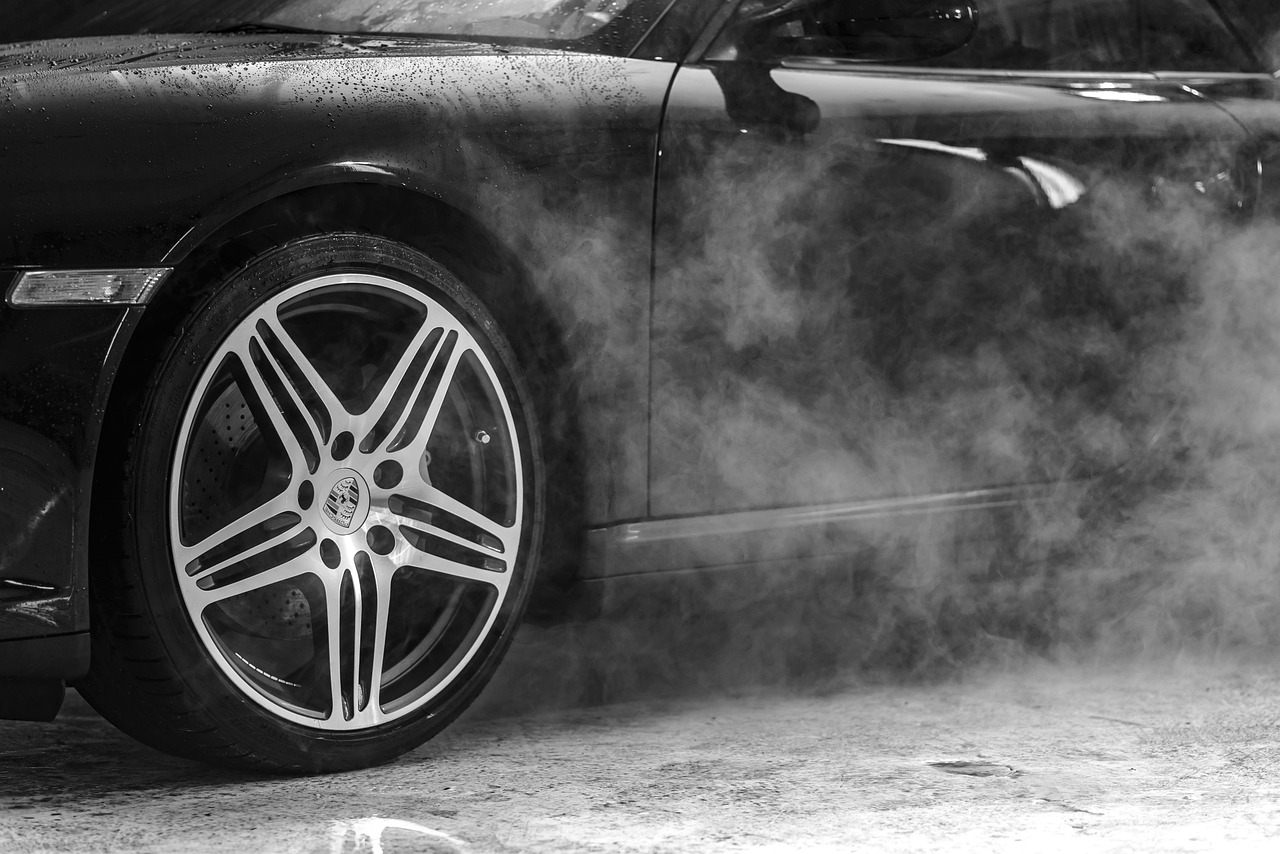
Ceramic coatings are inorganic—typically silica-based compounds that harden through oxidation. They do not fill imperfections; they sit as a protective layer on top of the existing paint. Application requires a clean surface and professional technique. Maintenance is important; the coating protects against contaminants but does not prevent water spotting entirely. Professional installers maintain strict environmental controls to ensure proper curing and adhesion.
Price Versus Durability
Cost and durability expectations diverge sharply. A consumer comparing coatings will see price variation of 300 percent between options, with marketing that suggests the most expensive choice lasts forever. In practice, ceramic coatings typically remain effective for one to three years under normal driving conditions, and that window depends heavily on maintenance. Reapplication is not difficult, but it is an ongoing expense. Paint protection film lasts longer—five to ten years depending on conditions—but costs more per application. Professional installation varies significantly in skill and attention to detail, which directly affects the long-term performance of whichever system is chosen.
Material, Lifespan and Technique
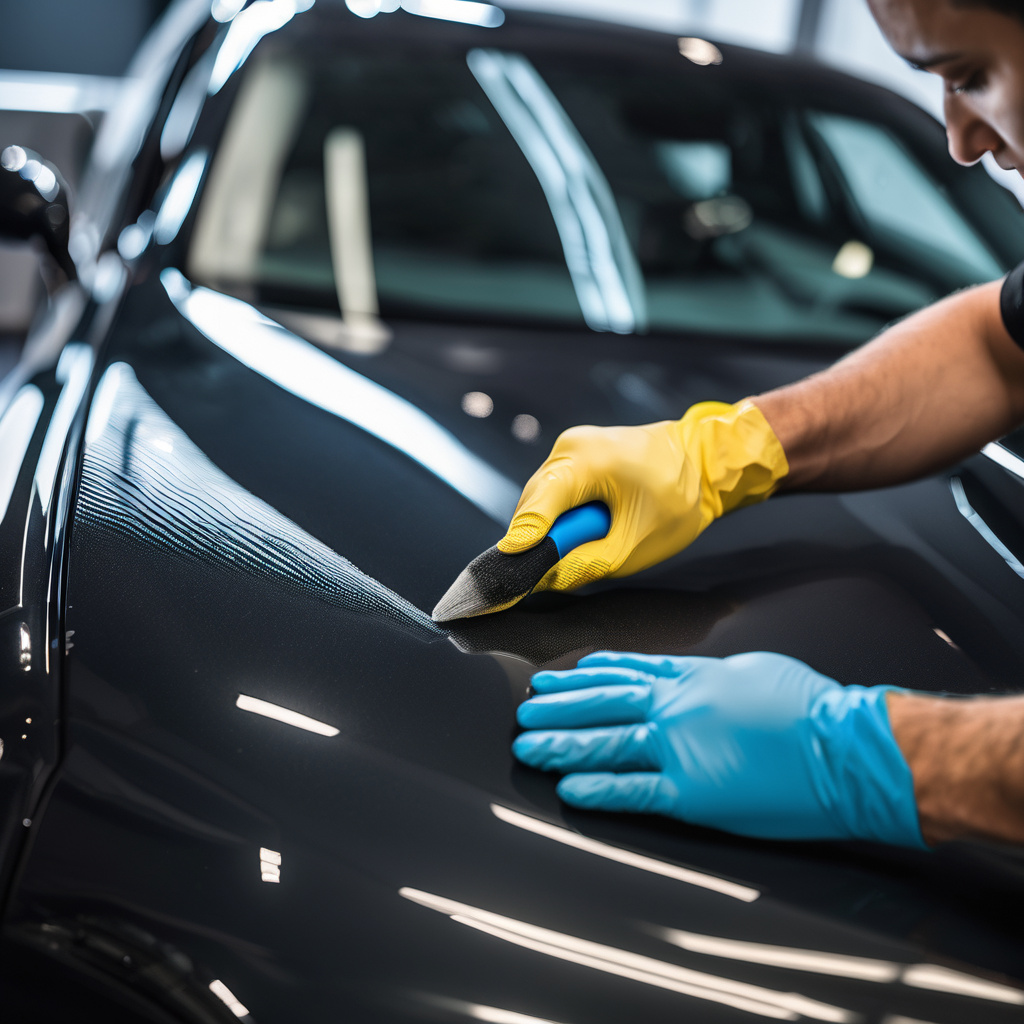
The protective landscape divides along three dimensions: material type, expected lifespan, and application technique. Most professional installers offer warranty coverage on labour and material for a defined period—typically twelve to twenty-four months. That coverage does not mean the coating will not degrade; it means the installer will repair or reapply if the coating fails due to defect or installation error. Reading a warranty closely reveals the conditions that exclude coverage: this matters more than the headline duration. The table below anchors each system in those categories, with the understanding that real-world performance depends on the quality of installation, the condition of the underlying surface, and the maintenance regime that follows.
| System | Material | Typical lifespan | Application |
|---|---|---|---|
| Carnauba wax | Natural wax blend | 6–8 weeks | Hand-applied over clean paint; no correction needed |
| Synthetic sealant | Polymer resin | 4–6 months | Hand or machine; light polish recommended first |
| Ceramic coating | SiO2 / SiC chemistry | 2–5 years | Decontamination and paint correction, then panel-by-panel in a controlled bay |
| Paint protection film | Thermoplastic urethane | 5–10 years | Pre-cut or bulk film installed wet by a trained installer |
High-gloss finishes are more susceptible to showing water spots and dust, while matte finishes show swirls more readily. Neither coating protects against physical damage—parking lot door dings or collision—and buyers frequently conflate cosmetic protection with damage resistance. That boundary is worth clarifying when discussing coating longevity. A two-year coating is still doing its job of guarding against environmental contaminants at eighteen months, even if the gloss has declined slightly. Knowing that distinction separates a coating that is failing from one that is simply aging as expected.